LiFePO4 Portable Power Stations
BSLBATT LiFePO4 portable power stations deliver clean, silent backup power for home emergencies, outdoor camping, RV travel, and off-grid use. With capacities from 1kWh to 9.8kWh, solar and AC charging support, and UPS switchover under 10ms, every unit in the Energipak range is built on LiFePO4 chemistry for longer cycle life and safer operation than standard lithium-ion alternatives.

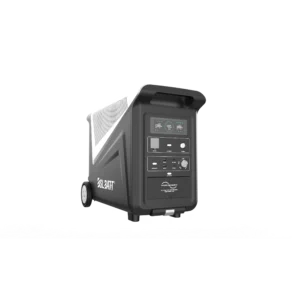
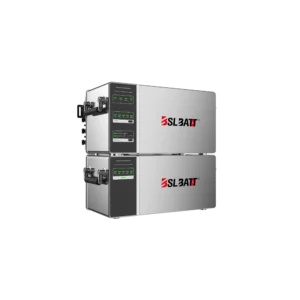
Every Energipak unit uses EVE brand LiFePO4 cells, eliminating thermal runaway risk under normal use conditions. Safe for indoor home backup, enclosed RV spaces, and overnight use without ventilation.
Energipak 1000 is rated for 8,000+ cycles. Energipak 9792 delivers 6,000+ cycles. At one full cycle per day, that equates to 16 to 21 years of daily use before capacity falls below 80%.
All models support AC wall charging, solar MPPT charging, and car 12V charging. Energipak 1024 supports combined AC and solar input at up to 1,200W simultaneously.
Energipak 1024, 2048, 3840, and 9792 include UPS mode with switchover time under 10ms, maintaining operation of computers, NAS devices, and medical equipment through a grid interruption.
Five models cover 1kWh to 9.8kWh. Energipak 9792 delivers up to 7,200W AC output, sufficient to run air conditioners, water heaters, and high-draw appliances simultaneously.
All Energipak models include MPPT solar input. Energipak 9792 accepts up to 2,500W at 120–450V, suitable as a standalone solar generator for remote properties and extended off-grid deployments.
Compare LiFePO4 Portable Power Station Models
* All models are available with OEM customization. Contact us for private label, custom BMS parameters, and packaging options.
Find the Right Portable Power Station for Your Needs
Not sure which model covers your load requirements? Send us your use case and our team will recommend the right capacity and configuration.
FAQ
What is a LiFePO4 portable power station?
A LiFePO4 portable power station is a rechargeable battery unit using lithium iron phosphate cells, with built-in AC inverter, DC outputs, and USB ports. It stores electricity from wall outlets, solar panels, or car chargers and delivers clean AC and DC power without fuel, noise, or exhaust. LiFePO4 chemistry provides longer cycle life and better thermal safety than standard lithium-ion alternatives.
How long does a LiFePO4 portable power station last?
BSLBATT Energipak units are rated for 4,000 to 8,000 cycles depending on the model. Energipak 1000 delivers 8,000+ cycles; Energipak 9792 delivers 6,000+ cycles. At one full cycle per day, that equates to 16 to 21 years of daily use before capacity drops below 80%.
Can a portable power station run a refrigerator?
Yes. A standard refrigerator draws 100 to 200W continuously. Energipak 2048 at 2,048Wh provides approximately 8 to 16 hours of refrigerator runtime depending on the unit draw and ambient temperature. Energipak 3840 extends that to 15 to 30 hours from a single charge.
How do you charge a portable power station with solar panels?
All Energipak models include MPPT solar input. Connect compatible PV panels to the solar input port within the specified voltage and current range. Energipak 9792 accepts up to 2,500W of solar input at 120–450V, allowing full recharge in approximately 4 to 5 hours under strong solar conditions.
What is UPS mode on a portable power station?
UPS mode allows the unit to switch from grid power to battery power automatically when the grid fails, with a switchover time fast enough to prevent connected devices from losing power or restarting. Energipak 1024, 2048, 3840, and 9792 all switch in under 10ms, suitable for computers, NAS drives, and sensitive electronics.
What is the difference between a portable power station and a portable generator?
A portable generator burns fuel to produce electricity, producing exhaust and noise that makes it unsuitable for indoor use. A LiFePO4 portable power station stores electricity in a battery and delivers it silently with no emissions. Portable batteries are safer for indoor home backup, quieter for camping, and require no fuel management, though they are limited by battery capacity rather than fuel supply.