Proper golf cart battery maintenance helps improve reliability, prevent performance issues, and extend battery service life. This guide covers essential maintenance practices for different golf cart battery types, including charging routines, storage methods, inspection procedures, and common mistakes to avoid for both lead acid and lithium battery systems.
Golf cart battery maintenance helps batteries last longer and work well. Owners sometimes worry if charging is slow or if the cart does not go fast. They also worry if the cart cannot travel far. Cleaning terminals and checking water levels are important. These steps stop corrosion and keep power strong. Taking care of batteries often saves money. It also stops the cart from breaking down when you do not expect it.
Golf Cart Battery Maintenance Basics
Battery Types Overview
To start golf cart battery maintenance, you need to know your battery type. Each battery type needs its own care. The most common types are flooded lead acid, AGM lead acid, gel lead acid, and lithium-ion. The table below shows how each type is different and what care it needs.
Battery Type | Maintenance Requirements | Key Characteristics |
|---|---|---|
Flooded Lead Acid | Needs water added often and regular checks | Common, easy to fix, lasts longer if cared for |
AGM Lead Acid | Needs little care, charges fast, does not spill | Strong, lasts long, made for high performance |
Gel Lead Acid | Almost no care needed, does not leak | Sealed, uses gel instead of liquid |
Lithium-Ion | Needs little care, no water needed | High energy, lasts long, does not lose charge quickly |
Lead-Acid vs. Lithium Care
Lead-acid and lithium-ion batteries need different care steps for golf cart battery maintenance. Lead-acid batteries need more work. You must check water, look for rust, and clean the ends often. Lithium-ion batteries need less care but still need smart charging and good storage.
Feature | Lead-Acid Batteries | Lithium-Ion Batteries |
|---|---|---|
Average Lifespan | 3–5 years | 8–10 years or more |
Maintenance Needs | High | Minimal |
Charging Time | 8–12 hours | 2–4 hours |
Weight | Heavy | Lightweight |
Storage Requirements | Needs right water and temperature | Needs right temperature |
Lead-Acid Battery Maintenance Tasks:
Check the charge after you use the cart.
Look for rust on the ends.
Check for cracks, swelling, or leaks.
Lithium Battery Maintenance Tasks:
Use a charger made for lithium batteries.
Charge when the battery is at 20–30% for longer life.
Store and charge between 0°C and 45°C.
Doing regular golf cart battery maintenance helps your cart work well. If you know your battery type, you can do the right steps and stop problems before they start.
Daily & Weekly Battery Care
Visual Inspection & Cleaning
Golf cart battery maintenance begins with looking at the batteries often. Owners should check for cracks, swelling, or leaks. This is very important for lead-acid batteries. They also need to look at the terminals and wires. Loose or rusty connections can cause problems. Rust makes it harder for power to flow. Wetness and salt can make rust happen faster. Cleaning batteries once a month helps stop rust.
The safest way to clean is with baking soda and water. Put the mix in a spray bottle. Use a stiff brush to scrub the terminals and cables. Rinse with clean water, but do not let water get inside the battery cells. Dry everything well. After cleaning, spray the terminals with anti-corrosion spray or put on grease. Make sure all the terminals are tight for a good connection.
Step | Description |
|---|---|
1 | Wear safety gear like gloves, goggles, and an apron to stay safe from sulfuric acid. |
2 | Mix baking soda and water to clean battery acid. |
3 | Scrub the terminals and cables with a stiff brush. |
4 | Rinse the terminals with clean water, but do not let water get inside the battery. |
5 | Dry everything well to stop rust from coming back. |
6 | Use anti-corrosion spray or grease to protect the terminals from wetness. |
Do not use power washers. High-pressure water can break battery cells and wires.
Water Level Checks
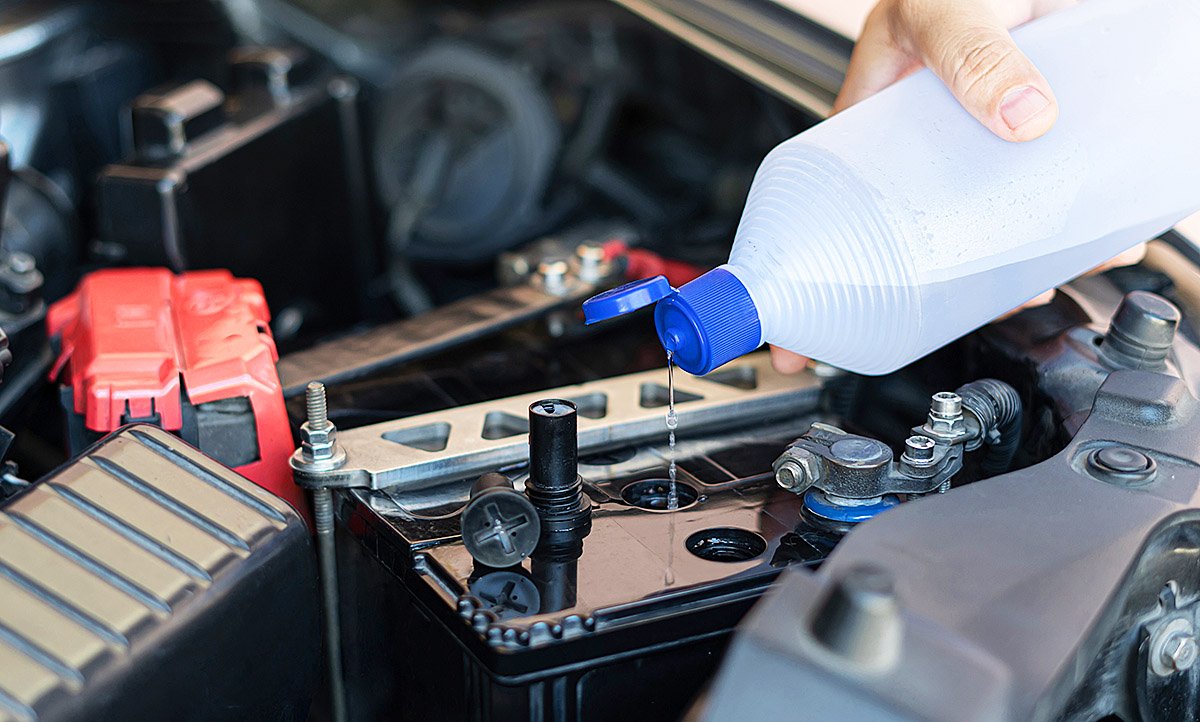
Lead-acid batteries need water checks often. Look at water levels every 2 to 4 weeks. In hot places, check every 2 weeks. In cold places, checking once a month is okay. Batteries used a lot lose water faster. Even if you do not use the cart much, you still need to check sometimes.
Check water levels every 2 to 4 weeks.
Always check and add water after charging the batteries.
If water is low before charging, add distilled water to cover the plates.
In hot places, check every 2 weeks.
In cold places, check once a month.
If you use the cart a lot, check water more often.
Even if you use the cart a little, still check water sometimes.
If you forget to add water, the battery can get ruined. Low water makes the battery work worse. If the lead plates are not covered, they can get damaged and lose power forever.
Terminal Maintenance
Taking care of terminals helps batteries work well. Owners should clean terminals every month to stop rust. Baking soda and water are best for cleaning. After cleaning, put on a protective spray or grease. Make sure all terminals are tight for a strong connection.
Rust on terminals makes it hard for power to move. This can make the battery weak and not last long. Clean and tight terminals help the battery work better.
Clean batteries every month to stop rust.
Use baking soda and water with a spray bottle to clean.
After cleaning, use a protective spray or grease.
Tighten all terminals for a strong connection.
A simple weekly plan helps owners remember what to do. The table below shows what to check each day and week.
Day | Task | Notes |
|---|---|---|
Monday | Look at the batteries | Check for leaks, cracks, or rust on terminals |
Tuesday | Check water levels | Add distilled water if needed |
Wednesday | Clean terminals | Use baking soda and anti-corrosion spray |
Thursday | Check cables and wires | Make sure wires are tight and not broken |
Friday | Look at charging log | Check charging cycles and spot problems |
Monthly | Equalization charge | Do this if the battery maker says to |
Golf cart battery maintenance keeps batteries safe and carts working well. Owners who do these steps make batteries last longer and stop surprise problems.
Charging & Storage Tips

Proper Charging Habits
Golf cart owners can make batteries last longer by charging them the right way. Experts say to follow these steps to keep batteries healthy:
Charge batteries after every use, even if you drove a short way.
Do not let batteries drop below half power. Deep discharges make batteries weaker and last less time.
Use a charger that fits your battery’s voltage and type. The wrong charger can make batteries too hot or not charge enough.
Wait 30 to 60 minutes after driving before charging. Batteries need to cool down first.
Always follow the charging instructions from the maker.
Smart chargers change voltage and current by themselves. They stop charging when the battery is full and help avoid overcharging.
Charging after each use keeps power steady. Owners should not overcharge batteries because heat can hurt them. If a battery runs out all the way, it may lose power, show strange voltage, and take longer to charge. These problems make the cart less dependable.
Off-Season Storage
Golf cart battery maintenance means storing batteries the right way when not using the cart. Batteries need care even when the cart is parked. These steps help keep batteries healthy:
Clean the battery before storing. Take off dirt and rust to stop problems.
Charge the battery all the way before storage. A full charge stops sulfation and keeps power strong.
Store the battery in a place with good air flow. The best temperature is 50°F to 85°F (10°C to 29°C).
Unplug the battery if you will not use the cart for a long time. This stops slow power loss.
Use a battery maintainer to keep the battery charged and ready.
Check the battery every month. Look at charge levels and check for damage.
Follow the storage rules from the battery maker.
Temperature changes battery life. Very cold slows battery reactions and lowers power. Too much heat wears out batteries faster and can break inside parts. AGM batteries should stay between 40°F and 80°F (4°C to 27°C). Lithium batteries work best between 32°F and 77°F (0°C to 25°C).
Owners who use their cart sometimes in cold months should do safety checks. They should test brakes, look at steering, and check lights. The charger and wires need checks for rust. A battery maintainer stops power loss. Owners should start the cart every week and move it to stop flat tires. A dry, safe place and a cover help protect the cart from winter weather.
Signs of Battery Replacement
Batteries do not last forever. Owners should look for signs that a battery needs to be changed:
Charging problems: The battery does not charge right, or the charger light does not turn on.
Loose or rusty terminals: Connections are not tight, or rust is there.
Acid levels: Lead-acid batteries show low acid even after adding distilled water.
Power does not last: The battery loses charge fast or cannot run the cart long.
Less power: The cart goes slower or has trouble on hills.
Age: The battery is near the end of its warranty or has reached its usual life.
Lead-acid batteries last about 4 to 6 years. Lithium batteries can last 10 years or more if cared for.
Battery Type | Average Lifespan |
|---|---|
Lead-Acid | 4 to 6 years |
Lithium | 10 years or more |
Owners who see these signs should think about getting a new battery. Changing batteries on time helps stop breakdowns and keeps the cart working well. Regular golf cart battery maintenance makes it easier to find problems early.
Golf cart owners who take care of batteries often have batteries that last longer. Their carts work better and break down less. Doing simple things helps stop mistakes like charging too much. It also stops adding water at the wrong time. Using a checklist helps you remember what to do.
Quick-Reference Checklist:
Charge after each use.
Check water levels monthly.
Clean terminals regularly.
Store batteries safely.
FAQ
How often should someone check golf cart battery water levels?
Owners should check water levels every two to four weeks. Hot weather or frequent use may require more checks.
What type of water works best for lead-acid batteries?
Distilled water works best. Tap water can add minerals that damage the battery.
Can someone use a car battery charger for a golf cart battery?
No, car battery chargers may not match the voltage or charging needs.
Always use a charger made for golf cart batteries.