Commercial Battery Storage System
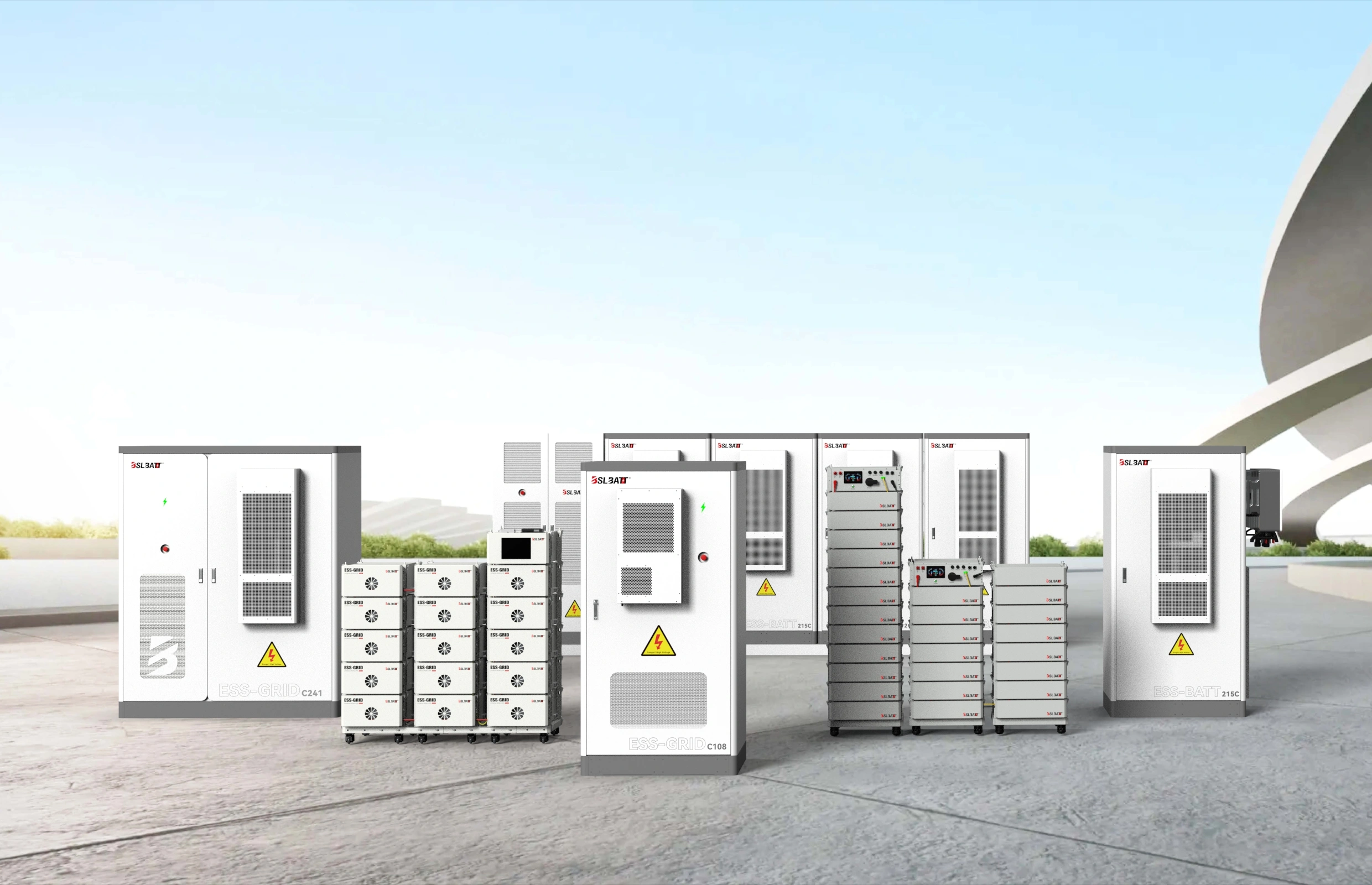
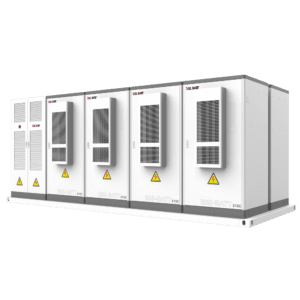
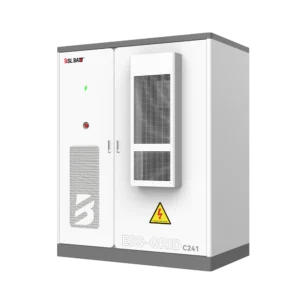
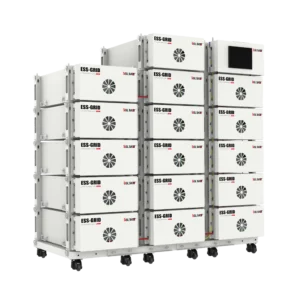
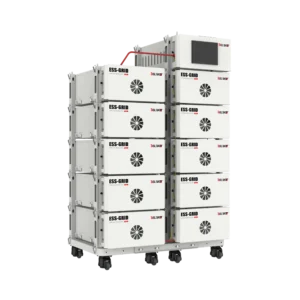
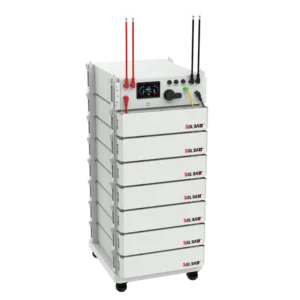
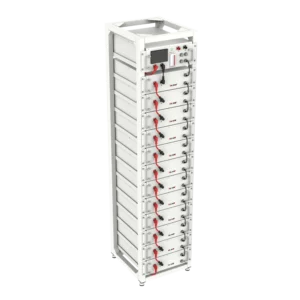
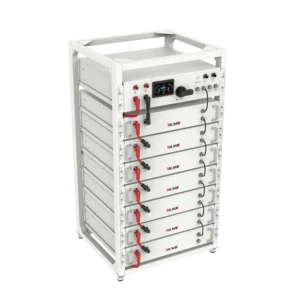
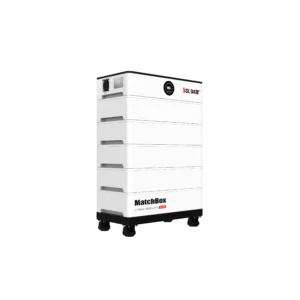
BSLBATT commercial battery storage systems cover 38kWh to 2,572kWh per installation, serving factories, commercial buildings, data centers, solar farms, and microgrid applications. LiFePO4 chemistry with CE, IEC, and UL certification.
Commercial Battery Storage ROI and Payback Analysis
Peak Shaving
BSLBATT commercial battery storage systems discharge during peak demand periods to reduce demand charges. For example, a facility with a 500kW peak load and a $15/kW demand charge can save around $18,000 annually by reducing peak demand by 20%.
Time-of-use Arbitrage
By charging during off-peak hours and discharging during peak-rate periods, businesses can lower energy costs and improve energy efficiency. A 100kWh system operating 300 cycles per year can generate more than $5,000 in annual electricity cost savings under favorable TOU pricing.
Payback Period
In many commercial and industrial applications, BSLBATT LiFePO4 battery storage systems typically achieve a payback period of 4–7 years. With 6,000+ cycle life and long-term warranty support, the system continues delivering cost savings well beyond the payback period.

Why Specify BSLBATT for Your C&I Battery Storage Project
Supply Capacity
3GWh annual production capacity in Huizhou, Guangdong. Standard lead time of 35 days from order confirmation with container-ready packaging for 20GP and 40GP shipments.
Full Certification Coverage
CE, IEC 62619, IEC 62040, IEC 62477, UL1973, UL9540A, and CEC Listed across the commercial range, covering Europe, North America, and Australia. UN38.3 and MSDS available for all models.
Scalable Architecture
Cover 62kWh to 2,572kWh. Modular design supports capacity expansion without replacing existing battery infrastructure, protecting initial project investment.
Industrial Safety
ESS-BATT NX77 and Cubicon Lite carry IP55 protection with industrial-grade air conditioning cooling and active fire suppression. Three-level BMS protection covers overvoltage, overtemperature, and short circuit conditions.
Flexible Communication
All systems communicate via CAN BUS and Modbus RTU, compatible with EMS platforms, SCADA systems, and third-party energy management software.
OEM and ODM Support
Full customization available including enclosure design, BMS parameters, rated capacity, communication protocol, labeling, and packaging. ODM service available for buyers without in-house engineering resources.
Trusted by Installers and Homeowners Worldwide
Ready to Specify a Commercial Battery Storage System
Send us your project requirements including site location, load profile, target capacity, and certification needs. Our technical team will recommend the right system configuration and provide a detailed quotation.
FAQ
What size commercial battery storage system do I need?
Sizing depends on peak demand, daily consumption, and target application. For peak shaving, capacity should cover the demand reduction target multiplied by the discharge window. BSLBATT technical team provides site-specific sizing recommendations based on your load profile.
What certifications does a commercial battery storage system need?
Requirements vary by market. Europe requires CE and IEC 62619. North America requires UL1973 and UL9540A. Australia requires CEC listing. BSLBATT commercial systems carry certifications for all three major markets. Confirm target market requirements before specifying a system.
How long does a commercial battery storage system last?
BSLBATT commercial LiFePO4 systems are rated for 6,000+ cycles with a 10-year warranty and 15+ year design life. At one full cycle per day, that equates to 16+ years before capacity drops below 80%.
What is the lead time for a commercial battery storage system?
Standard lead time is 35 days from order confirmation across all BSLBATT commercial series. Large volume or custom OEM configurations may vary. Contact our team for project-specific scheduling.
Can BSLBATT supply OEM commercial battery storage systems?
Yes. Full OEM and ODM customization is available including enclosure design, BMS parameters, capacity, communication protocol, and packaging. Minimum order quantities apply by model.
How does commercial battery storage reduce electricity costs?
Two primary mechanisms: demand charge reduction by discharging during peak load intervals, and time-of-use arbitrage by charging off-peak and discharging during high-tariff periods. Combined savings in favorable tariff markets typically support payback periods of 4 to 7 years.