What to Consider Before Buying a 48V Forklift Battery

Choosing the right 48V forklift battery requires more than matching voltage. Buyers should consider forklift compatibility, battery dimensions, weight balance, connector type, capacity, charging requirements, and operating conditions. This guide explains how to select a 48V forklift battery by comparing lead-acid and lithium-ion options, including differences in cycle life, maintenance, charging speed, and total cost […]
Step-by-Step Guide to Using a Battery Charge Time Calculator

The battery charge time calculator estimates how long it takes to fully charge a battery based on capacity, charging current, battery type, and charging efficiency. This guide explains how to calculate charging time for lithium-ion, LiFePO4, and lead-acid batteries, including key factors such as charger output, temperature, and battery condition. By using the correct battery […]
What Is A Deep Cycle Battery

A deep cycle battery is designed to provide steady energy over extended periods. Unlike regular batteries, it withstands repeated deep discharges and recharges without significant performance loss. These batteries are ideal for various applications, including powering RVs, marine vessels, and renewable energy systems, due to their high amp-hour capacity and durability in demanding conditions. What […]
How to Jumpstart A Dead Lithium-ion Battery? A Comprehensive Guide
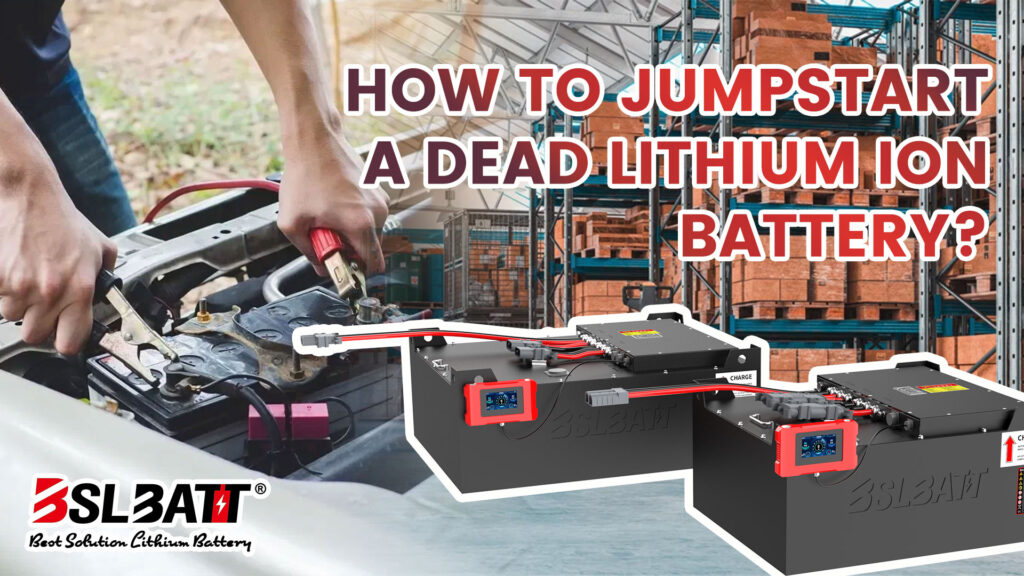
A dead lithium-ion battery does not always mean it needs replacement. This guide explains how to identify why a lithium battery stops working and the safe steps to restore it when possible. Common causes include over-discharge, overcharging, high temperatures, aging, and BMS protection. It covers essential recovery tools such as multimeters and compatible lithium chargers, […]
Batteries Revealed: Alkaline vs Lithium Batteries
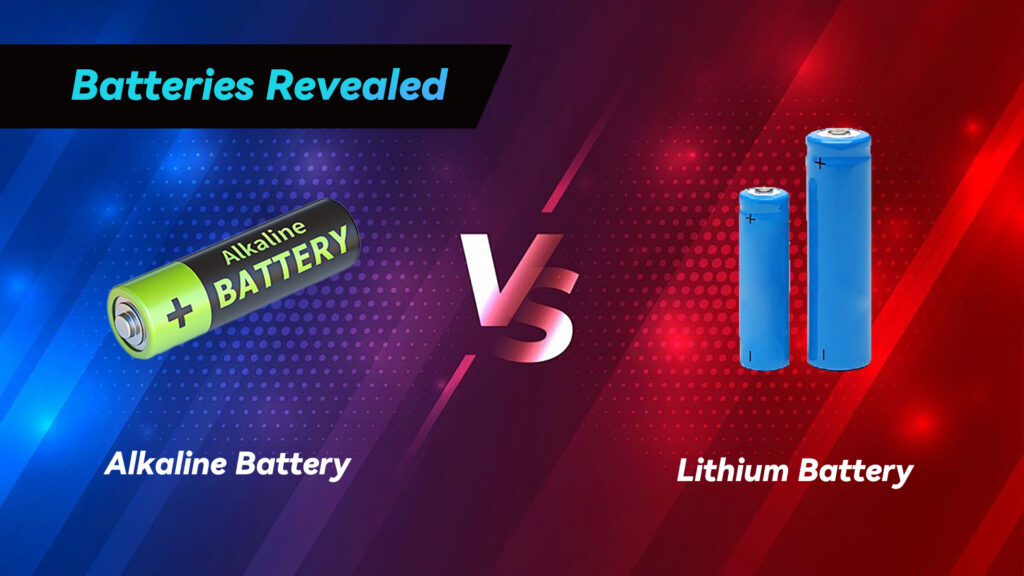
Alkaline and lithium batteries differ significantly in chemistry, voltage, energy density, lifespan, and applications. Alkaline batteries typically provide 1.5V power and are commonly used for low-drain devices such as remotes, clocks, and flashlights, while lithium batteries offer higher energy density, around 3.6V nominal voltage, rechargeable capability, and longer service life for demanding applications. This guide […]
How To Put Out A Solar Lithium Battery Fire?

When considering Solar Lithium Battery Safety, it’s crucial to act fast if a solar lithium battery catches fire. First, move everyone to a safe place far from the fire. Do not use water unless experts say it is okay, as lithium fires require special methods to cool them down. These fires can escalate quickly because […]
What is The Optimal Temperature Range For Lithium Iron Phosphate Batteries?

Lithium-ion batteries, especially LiFePO4 batteries, are increasingly being used in a variety of applications such as electronics, industrial equipment and renewable energy storage. This is due to the significant advantages of this battery type such as high energy density, long lifetime and improved consistency. However, for LiFePO4 batteries, close attention must be paid to the […]
What Are Lithium-ion Batteries?

Lithium-ion batteries are rechargeable energy storage devices that generate power through the movement of lithium ions between the cathode and anode during charging and discharging. This guide explains how lithium-ion batteries work, their main components, and the differences between common chemistries such as LiFePO4 and NMC. With higher energy density, faster charging capability, longer cycle […]
How To Charge Lithium Iron Phosphate (LiFePO4) Batteries?

As experts in lithium-ion batteries, particularly in the realm of lithium iron phosphate batteries, we understand the importance of proper charging protocols. Many individuals, especially those encountering such batteries for the first time, often express concerns regarding the correct charging procedures for lithium iron phosphate batteries. As a leading manufacturer and supplier of LiFePO4 batteries, […]
What Are Lithium Batteries Used For?
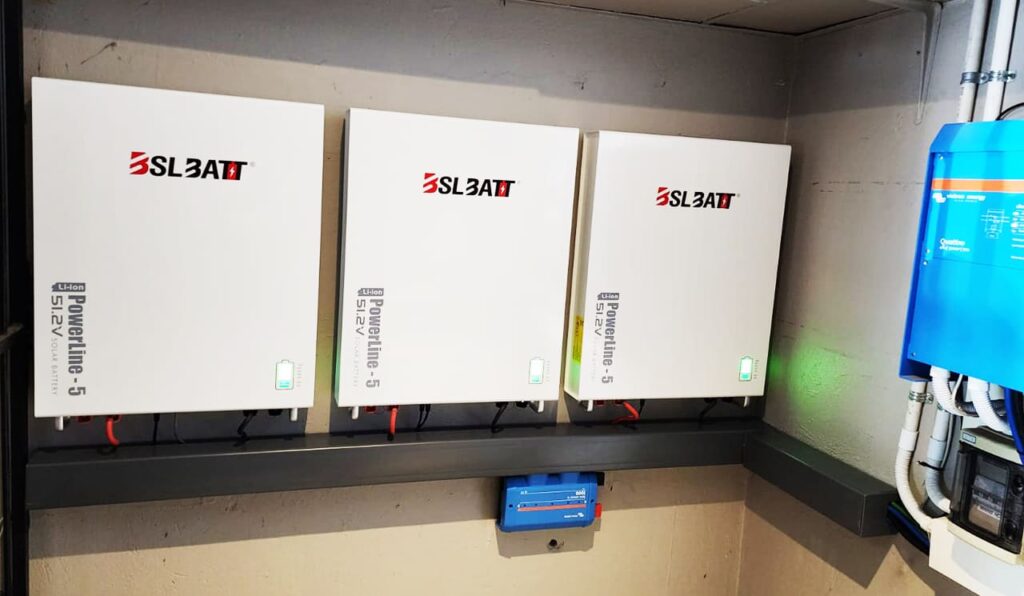
In 1970, M.S. Whittingham of Exxon made the first lithium battery using titanium sulfide as the positive electrode material and lithium metal as the negative electrode material. The official commercialization of lithium batteries was in 1992 by Sony’s successful development, so far, the development of lithium batteries has been more than 50 years. Now lithium […]